Cold Chain Compliance for Frozen Food Distributors
Cold chain compliance is the discipline of keeping perishable products within a required temperature range at every point in the supply chain, and proving it with documentation if a regulator or customer ever asks. For frozen food distributors, there is no margin for error here. A single break in the chain, whether it's a delayed dock appointment or a trailer that loses reefer power, can turn a truckload of product into a loss and a liability.
Here's what to prioritize when evaluating a refrigerated food 3PL warehouse partner.
What Cold Chain Compliance Requires
Frozen food logistics is governed by more than temperature alone. The FDA's Sanitary Transportation Rule under the Food Safety Modernization Act sets requirements for vehicle and equipment design, loading and unloading practices, and temperature monitoring during transport.
On the storage side, facilities handling frozen and perishable food typically operate under USDA and FDA oversight, with third-party certifications such as SQF layered on top to verify that sanitation, pest control, and food safety practices meet established standards.
Meeting these standards requires continuous temperature logging, calibrated equipment, trained staff, and a paper trail that holds up under audit. That's the operational reality behind the phrase "cold chain compliance," and it's why so many food brands stop trying to manage it in-house.
Why the 3PL You Choose Is the Compliance Decision
Outsourcing frozen storage and distribution doesn't remove the compliance burden. It transfers it to a partner, which means the partner's certifications and infrastructure become an extension of your own food safety program.
A cold chain 3PL without SQF or Organic certification, without USDA and FDA approval, or without documented temperature control is a gap in your compliance chain, not a shortcut around it.
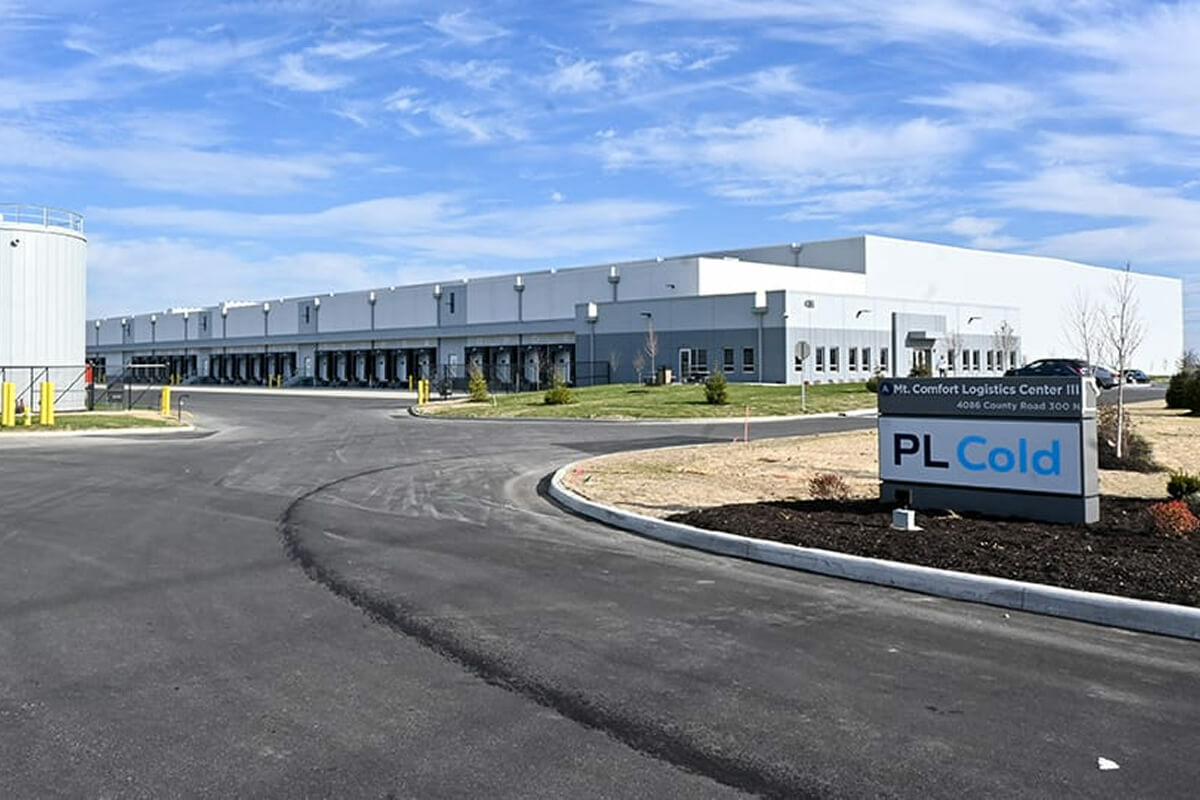
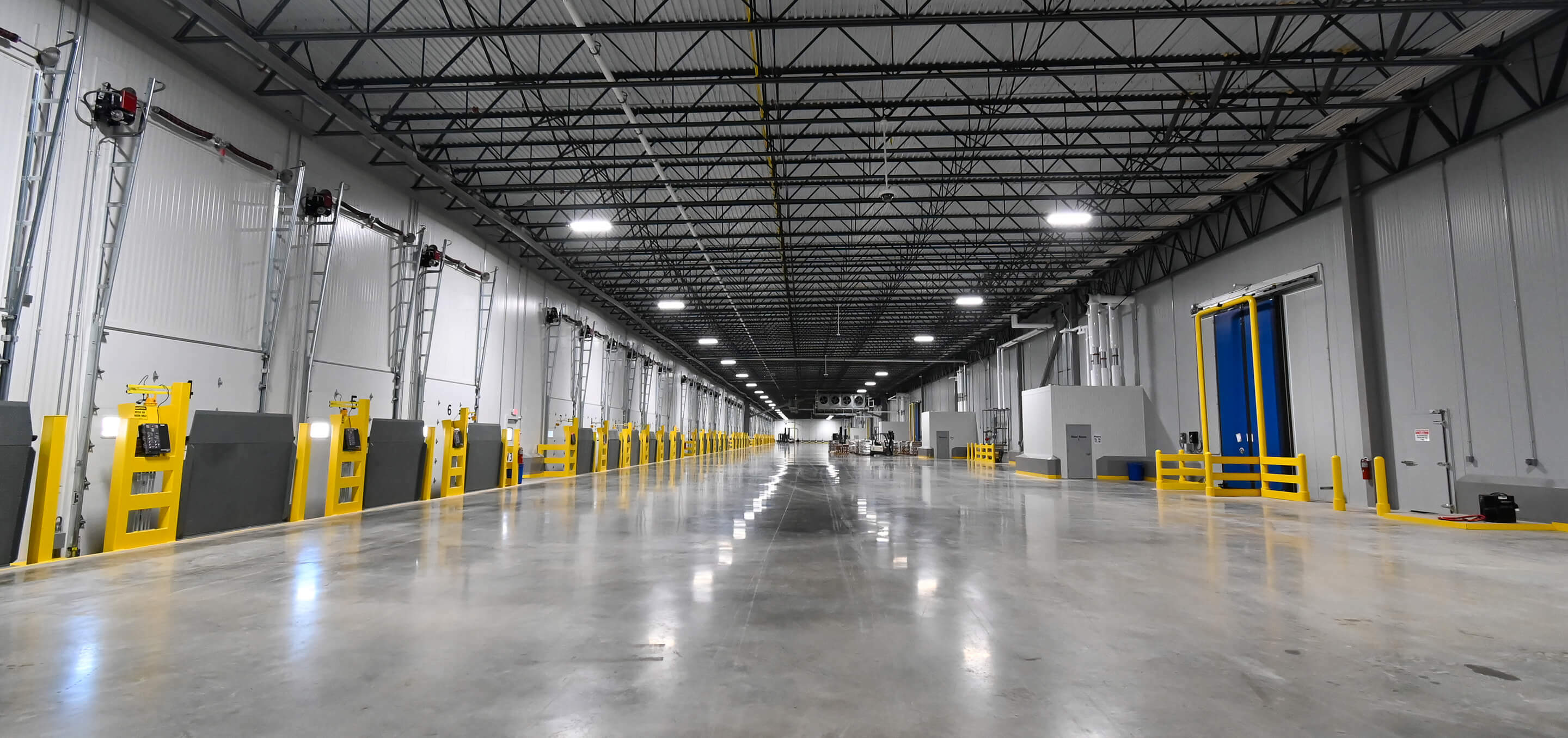
Progressive Logistics operates a 300,000-square-foot cold storage facility in Indianapolis with adjustable operating temperatures from -10°F to 35°F, a 75,000-square-foot cold dock, and an ALTA Expert Refrigeration system to ensure consistency. Our facility carries SQF and Organic certifications and is USDA and FDA approved.
What to Look for in a Cold Chain 3PL Partner
Not every provider that says "cold storage" is set up to carry your compliance obligations. Before signing on, confirm the partner can answer for these four things:
- Current Certifications, Not Claims: Ask for SQF, Organic, and USDA/FDA documentation directly rather than taking "certified" at face value.
- Temperature Control With a Paper Trail: Monitoring that produces a record, not just a working thermostat.
- Handling Capabilities for Frozen Product: Case-and-pallet picking, transloading, and cross-docking that don't break the chain at the handoff.
- Location and Transit Time: Indianapolis's position at the crossroads of six interstates puts most of the eastern two-thirds of the U.S. within a day's drive, which shortens the window product spends in transit.
Progressive Logistics works across produce, bakery, dairy, meat and poultry, seafood, beverage, and other perishable food industries. The same infrastructure and documentation practices apply to whatever's on the pallet.
Keep Your Cold Chain Compliance Unbroken
Staying compliant is easier with a partner who's already set up for it. Request a quote today to talk through your frozen and cold storage needs.
Frequently Asked Questions About Cold Chain 3PL
Cold storage is the physical capability to hold a product at a set temperature. Compliance is the documentation and process layer on top of it, proving that temperature was maintained continuously and that the facility meets the regulatory and certification standards required to handle food products.
No. Your brand's food safety program extends to whatever partner handles the product. A 3PL's certifications, temperature logs, and handling practices need to meet the same standard you'd hold an in-house operation to.
At a minimum, look for SQF certification and USDA/FDA approval for facilities that handle food products. Organic certification matters if any portion of the product line carries an organic claim, since it requires segregated handling to prevent cross-contamination.
